
Sewer line insurance is extra coverage that can help pay for underground pipe repairs, including damage from roots or a sudden collapse. A typical home policy skips this pipe, so if it cracks, the repair bill lands on you unless you've bought extra coverage. That extra coverage usually costs far less than one repair would.
What does sewer line insurance cover?
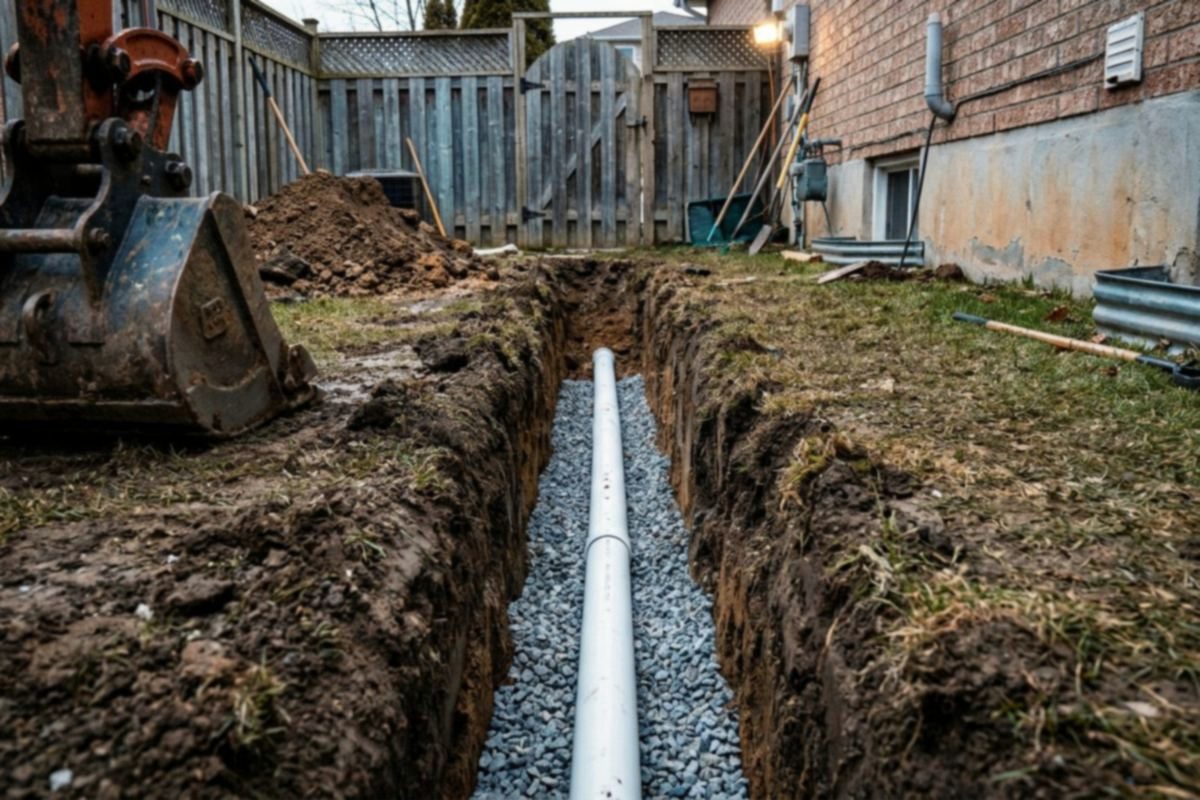
This coverage handles repairs to your service line, the pipe under your property that links your home to the municipal water or sewer system. GEICO says it can pay to fix underground pipes damaged by tree roots growing into them or by a sudden collapse.
You can add it to your home insurance through an endorsement. An endorsement is an add-on that stretches your policy to include something it would otherwise skip. Insurers commonly label it "service line coverage."
How does regular home insurance treat sewer lines?
Usually it won't pay to fix a damaged sewer line. Most standard policies leave out wear and tear, aging and root damage.
The New York City water department says the same thing. Repairs to water and sewer service lines, it notes, can run into the thousands of dollars, and most home insurance policies don't cover them.
Cost of sewer line coverage
Service line coverage typically costs $20 to $50 a year, according to NerdWallet. Here are its typical numbers.
| Item | Typical amount |
|---|---|
| Yearly price | $20 to $50 |
| Lowest advertised yearly price | $9 |
| Deductible per claim | $500 |
| Coverage cap | $10,000 |
You purchase one policy or endorsement and renew it yearly. If a covered problem comes up, you submit a claim to have the work done.
How much do sewer line repairs cost if you have no coverage?
GEICO puts what you'd pay yourself somewhere between $1,000 and $20,000. How long the pipe is and which repair method is used both push the final bill up or down.
Here are ranges for some common jobs. Every price includes a camera inspection. These are rough estimates, and a plumber gives you a firm price only after looking at your line.
| Job | About |
|---|---|
| Open trench sewer line, 60 ft | $3,700 to $15,500 |
| Pipe lining sewer line, 60 ft | $5,500 to $15,500 |
| Pipe bursting sewer line, 60 ft | $3,700 to $12,500 |
How your deductible and coverage cap work
Two figures in your policy control what the insurance pays. The deductible is the share of each repair you cover before insurance kicks in. The coverage cap is the ceiling on what the insurance will pay for a claim.
NerdWallet offers a sample. Say a repair runs $3,000 and your deductible is $500. You pay $500, and the insurance pays the remaining $2,500.
A big repair can cost more than a typical $10,000 cap, and you'd pay anything above it yourself. That's why it's worth checking both your deductible and your cap before you need them.
Questions people often ask
Which types of insurance cover sewer lines?
You can add service line coverage to a homeowners policy. New York City also offers a protection program, with yearly prices of $85 or $143 depending on the plan, according to NerdWallet.
Is sewer line insurance worth the money?
That comes down to how much risk you're willing to carry on your own. A year of typical coverage runs $20 to $50, while a single repair can run $1,000 to $20,000. Some plans cost as little as $9 a year, but the cheapest one may pay out less, so compare the caps and deductibles before you choose.
Do homeowners policies cover roots in a sewer line?
Most of the time, no. Roots work their way into a pipe slowly, GEICO explains, so insurers see the damage as a maintenance problem instead of a sudden event. To get root damage covered, a sewer line endorsement is the usual answer.