A repipe in a Nebraska house runs cheaper than it does across the country. Plumbers here make $31.59 an hour, roughly 9% under the US figure of $34.70. Homes also skew older: the typical Nebraska house dates to 1976, and nearly a third, 31.3%, were built before 1960, back when galvanized steel was the standard for water lines. A single call reaches a repipe company that works in your part of Nebraska. It comes out, sees your house and gives you a fixed price, so you know the real number before work starts. The call is free through this site.
Which old pipes are common in Nebraska homes?
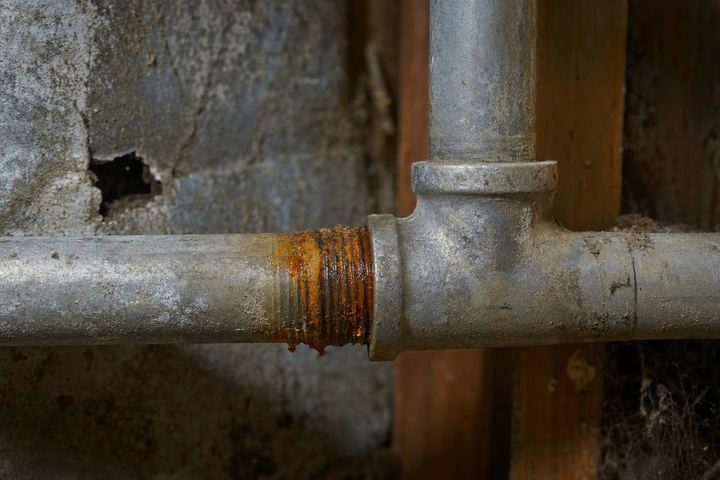
Nearly a third of Nebraska homes were built before 1960, when galvanized steel water pipe was common. If you have low pressure or discolored water in more than one part of the house, a repipe may be worth considering.
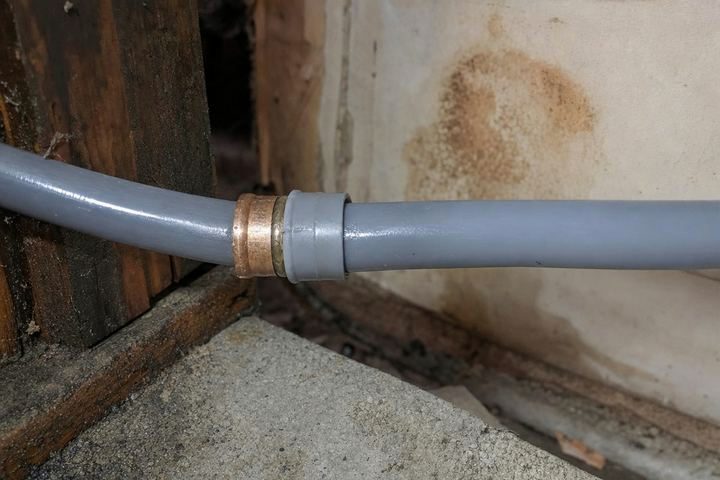
Roughly 19.1% of the state's homes went up between 1980 and 1999. Those years overlap the polybutylene era (1978 to 1995) and brush the start of Kitec (1995 to 2007). If your house was built in those years, it's worth finding out whether it has polybutylene or Kitec, and a repipe company can check when it comes out.
Another 24.7% of homes date from 2000 or later. A home's age can offer a clue about its pipes, but it doesn't tell you whether the house needs a repipe.
What a repipe costs in Nebraska
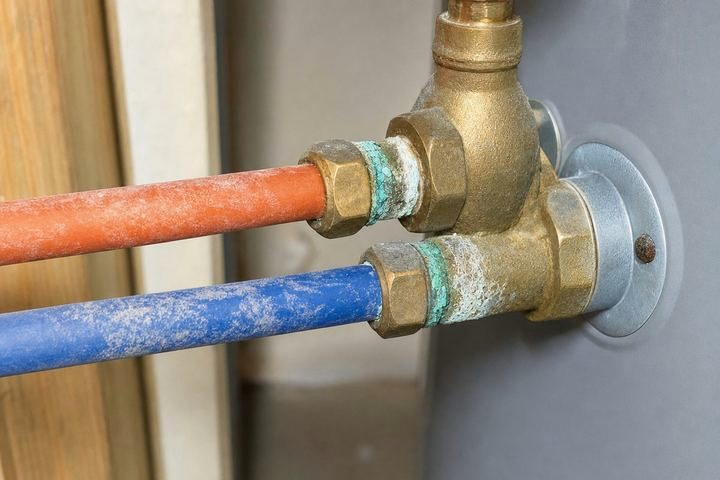
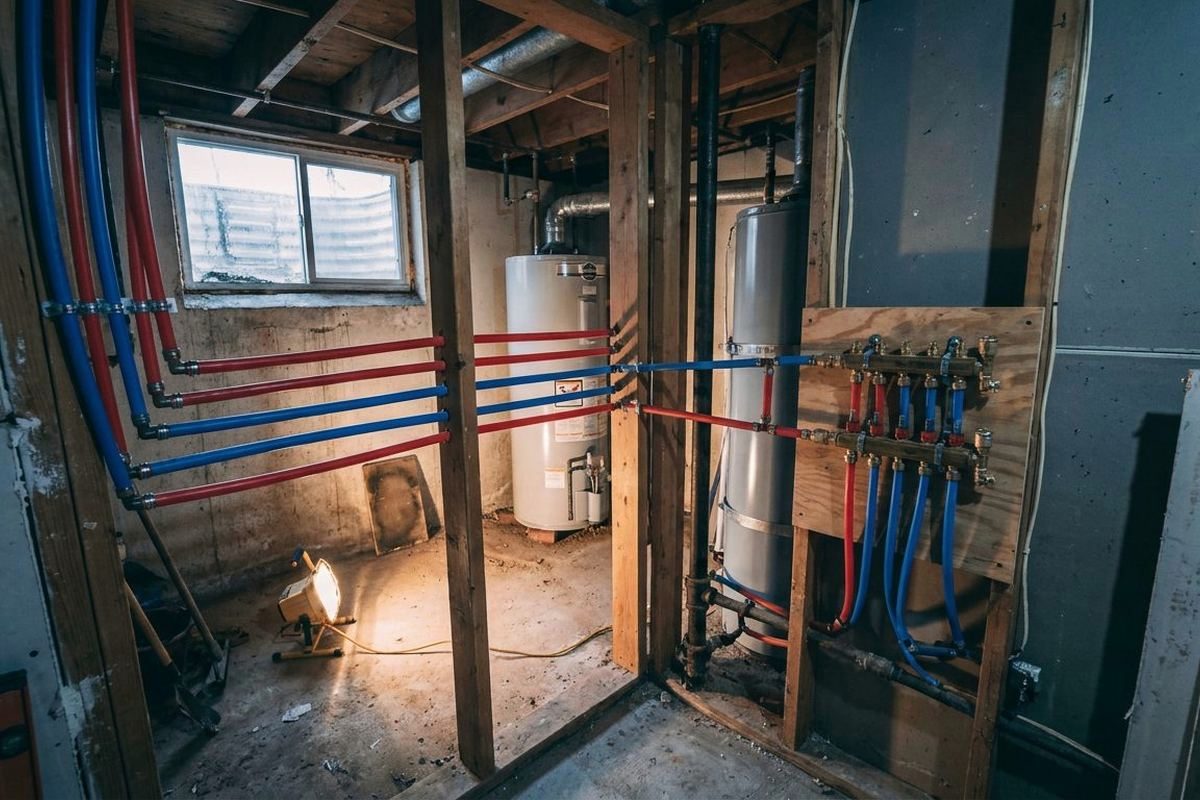
Each price is an estimate from this site's calculator for the house described. PEX is a bendable plastic pipe; hot lines come in red, cold in blue. A crawl space is the low gap beneath a floor raised off the ground.
| House | About |
|---|---|
| 1,200 sq ft, 1 bath, PEX | $3,800–$7,200 |
| 1,800 sq ft, two baths, PEX | $6,000–$11,100 |
| 2,400 sq ft, three baths, two floors, PEX | $7,600–$15,100 |
Labor is about 70% of a repipe bill, and Nebraska plumbers earn about 9% less per hour than the national average, so prices here run a bit lower. One national guide puts two-story homes with three or more bathrooms between $10,000 and $20,000 (Fuse Service). Two quotes for the same job can sit $2,000 to $5,000 apart, which is why a fixed price after an in-person look matters.
Pipe material and foundation
For a 1,800 sq ft house with two baths, what you pick for pipe moves the total.
| Choice | About |
|---|---|
| PEX | $6,000–$11,100 |
| CPVC (stiff cream or tan plastic) | $6,900–$12,000 |
| Copper (metal, joined with solder) | $8,800–$17,600 |
| PEX, slab foundation | $7,800–$15,300 |
A slab means a concrete floor poured right onto the ground, with pipe running beneath or inside it. One national guide figures slabs push labor up by 25 to 50% (Geek Powered Studios).
Permits and licensing
Fees for permits run $50 to $800 by national figures. Always ask if your quote covers the permit.
There's no single statewide plumbing board for Nebraska. Cities handle licensing, Omaha and Lincoln included, and contractors also register through the Nebraska Department of Labor. Before any work begins, confirm the plumber's license with your city's building department.
Nebraska plumbing code plus permits from local governments
The plumbing rules for Nebraska are part of state law. A model code from a national group, the Uniform Plumbing Code, 2018 edition, is included in the state building code. Counties, villages and cities may use their own code as long as it closely matches the state one. A town that skips a state update for two years falls under the state code, except on farms. For a repipe, the permits, inspections and fees are set by local governments.
About 9 percent of Nebraskans get their water from a private well, one they own, not city water. Across the country, the share is about 15 percent.
Deciding when a repipe pays off
A repipe usually makes sense once low pressure, discolored water, or leaks appear in more than one spot around the house (Fuse Service). If the trouble shows up in only one spot, the repipe company can tell you on its visit whether a whole repipe is worth it yet.
Most families stay in the house during the work. For a 2-bath house, expect about 2 to 3 days. Call and a local repipe company will look at your house and give you a fixed price, at no cost to you.
Not sure which pipe is in your house?
The identifier tool on this site sorts eight pipe types by color and texture: polybutylene, Kitec, CPVC, copper, PEX, galvanized steel, cast iron, and Orangeburg. Once you know which one is in your walls, it's easier to describe your house on the call.