
For most owners today, the settlements are history. What matters now is how an insurer or an inspector records the pipe. Each settlement line links to the court or settlement document behind it.
Polybutylene pipe lawsuit history
Polybutylene is a gray, bendy plastic water pipe, often stamped PB2110. It went into homes from 1978 to 1995. The settlement's own definitions describe it as pipe made from polybutylene resin manufactured and/or sold by Shell Oil Company. Those pages define a leak as any verifiable failure in a part of the system that lets water out.
Courts cite the case as Cox v. Shell Oil Co., No. 18,844, decided in the Chancery Court of Obion County, Tennessee, on November 17, 1995. It covered polybutylene plumbing and yard service lines put in from January 1, 1978 through July 31, 1995. A court-approved center, the Consumer Plumbing Recovery Center, ran a fund of about $1 billion.
The center's site later posted that the filing deadline for all new claims had expired as of May 1, 2009. It also said its claims office would close on December 31, 2009, pending a final order from the court.
Kitec plumbing lawsuit and settlement
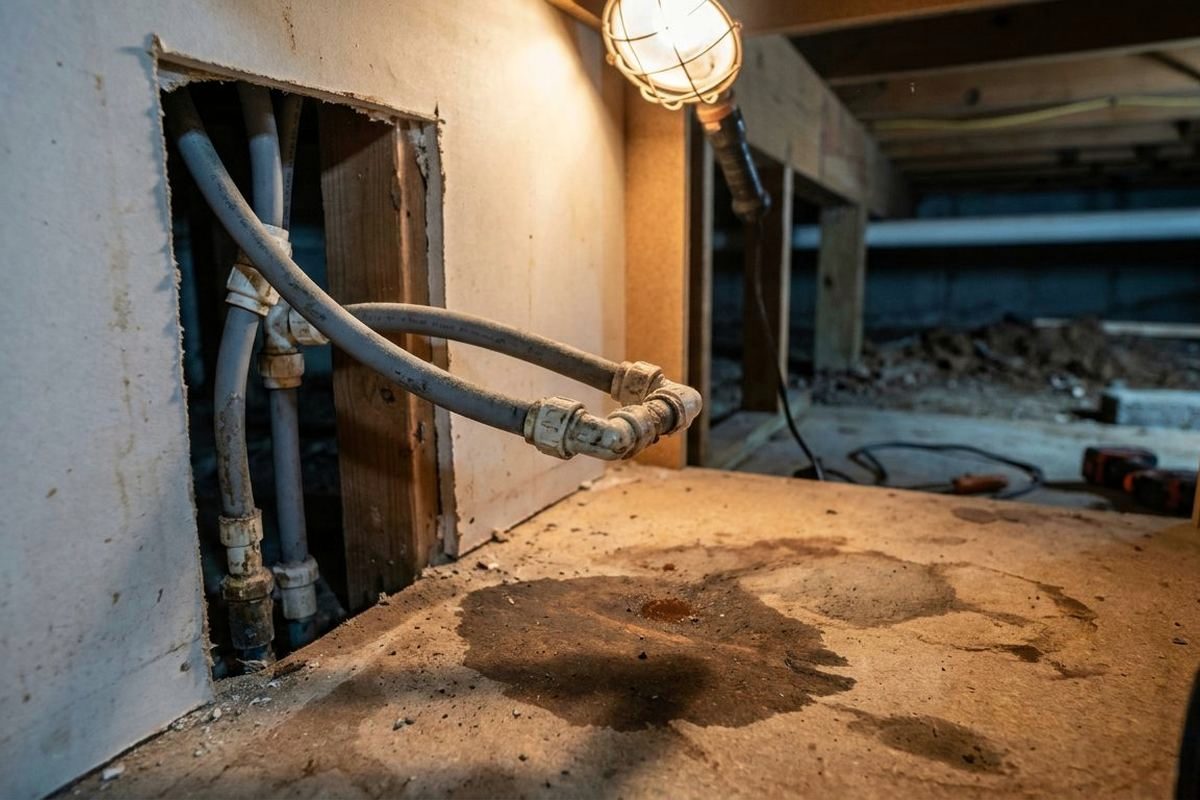
Kitec is orange pipe for hot water and blue for cold, with brass fittings. It was put in from 1995 to 2007. The court notice names the case In re Kitec Plumbing System Products Liability Litigation, MDL No. 2098, in the U.S. District Court for the Northern District of Texas. Courts in Ontario and Quebec heard matching cases.
The settlement FAQ describes a fund of $125 million, less attorneys' fees and costs, to pay for repairs in buildings plumbed with Kitec. It covers pipe made by or for IPEX, including systems sold as PlumbBetter, IPEX AQUA, WarmRite, Kitec XPA, AmbioComfort and XPA.
The courts approved the deal in late 2011, and it took effect on January 9, 2012. The case status page says the claims deadline of January 9, 2020 has passed, after about 10,000 claims came in. Its last update says qualifying claims were expected to get a further payment beyond the interim one, once the courts approve a final plan.
Polybutylene and Kitec pipes and insurance
Florida's Citizens Property Insurance publishes a four-point inspection form. A Florida-licensed inspector fills it in for the roof, the wiring, the heating and cooling, and the plumbing.
For the plumbing, the inspector checks the pipe types found, such as copper, PEX, galvanized or CPVC. There is a yes or no box for polybutylene. The form also asks whether the supply pipes are original to the home or fully or partly repiped, and in what year. It notes any active or past leak and the water heater's age.
The form records what is there. It does not say what any insurer will do with it. Ask your own insurer how it treats polybutylene or Kitec, and whether a repipe with a dated invoice changes that.
What to do next
First make sure of the pipe. The pipe identification chart shows the colour, the marking and the years for each type. Then see what replacing it costs: polybutylene pipe replacement or Kitec replacement.
The facts on this page come from public court and settlement records. They are not legal advice.