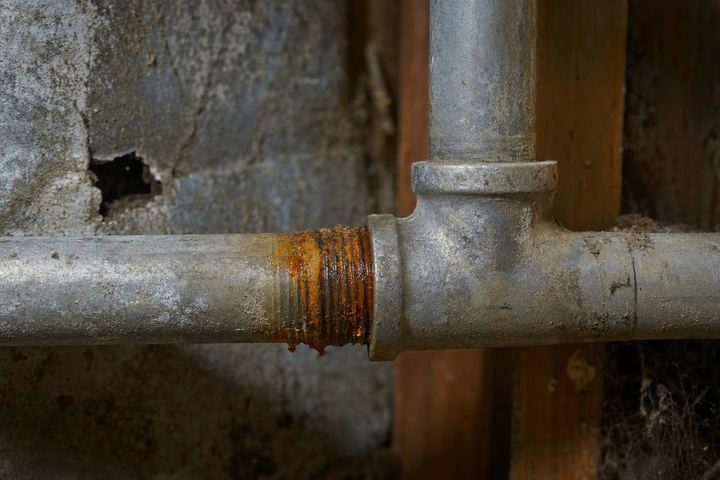
A typical Iowa house, one floor with two bathrooms and about 1,800 sq ft, costs about $6,300 to $11,600 to repipe in PEX when the pipes run through a crawl space. That runs a touch under the US number, since plumbers here make a bit less than the typical American plumber. More than a third of Iowa homes were built before 1960, when galvanized steel pipe was common, and that pipe tends to clog and rust with age.
What keeps Iowa prices just under average
An Iowa plumber makes $33.67 an hour, while the US figure is $34.70. That's about 3 % less, so repipe labor here costs a little under what most of the country pays. Labor accounts for about 70 % of a repipe bill, so what plumbers earn matters more than what the pipe itself costs.
The gap is minor. Run the same 2-bath PEX house at US average wages and you get about $6,400 to $11,800, against the roughly $6,300 to $11,600 you'd pay in Iowa. Roughly 5,730 plumbers are working statewide.
Old pipes likely in Iowa homes
Housing here skews older than in most states. Iowa's median home was built in 1972, and older homes may have galvanized steel water pipes. This is what each era usually means for the pipe inside your walls, based on Census data:
- Pre-1960 homes (37.5 %): galvanized steel was the usual water pipe in those years.
- Homes built from 1980 to 1999 (16.2 %): polybutylene was in use from 1978 to 1995, and Kitec began in 1995 and ran to 2007.
- Homes from 2000 onward (23.0 %): these fall outside the main galvanized era.
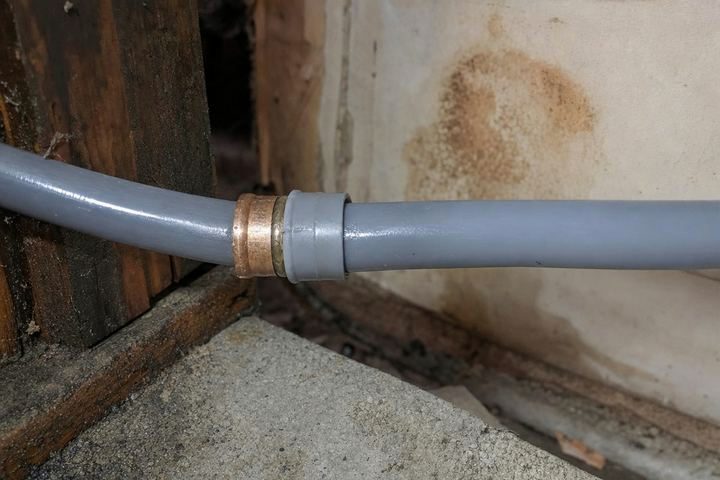
The site's pipe identifier names eight types (polybutylene, galvanized steel, Kitec, copper, PEX, CPVC, cast iron, and Orangeburg) by color and feel. If you can see an exposed pipe, the identifier may help you name it by its color and feel.
Iowa repipe prices by house and pipe type
Here's what the site's calculator puts out for Iowa. Treat these as estimates for the house described, since your final number depends on your own place.
| House | Pipe | Beneath the floor | Iowa ballpark |
|---|---|---|---|
| 1 floor, 1,200 sq ft, 1 bath | PEX | Crawl space | roughly $4,000 to $7,500 |
| 1 floor, 1,800 sq ft, 2 baths | PEX | Crawl space | roughly $6,300 to $11,600 |
| 1 floor, 1,800 sq ft, 2 baths | CPVC | Crawl space | roughly $7,200 to $12,500 |
| 1 floor, 1,800 sq ft, 2 baths | Copper | Crawl space | roughly $9,200 to $18,400 |
| 1 floor, 1,800 sq ft, 2 baths | PEX | Slab | roughly $8,100 to $15,900 |
| 2 floors, 2,400 sq ft, 3 baths | PEX | Crawl space | roughly $7,900 to $15,800 |
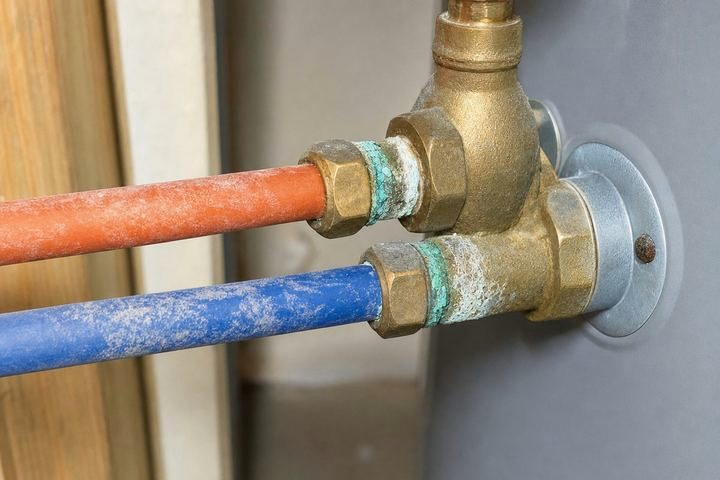
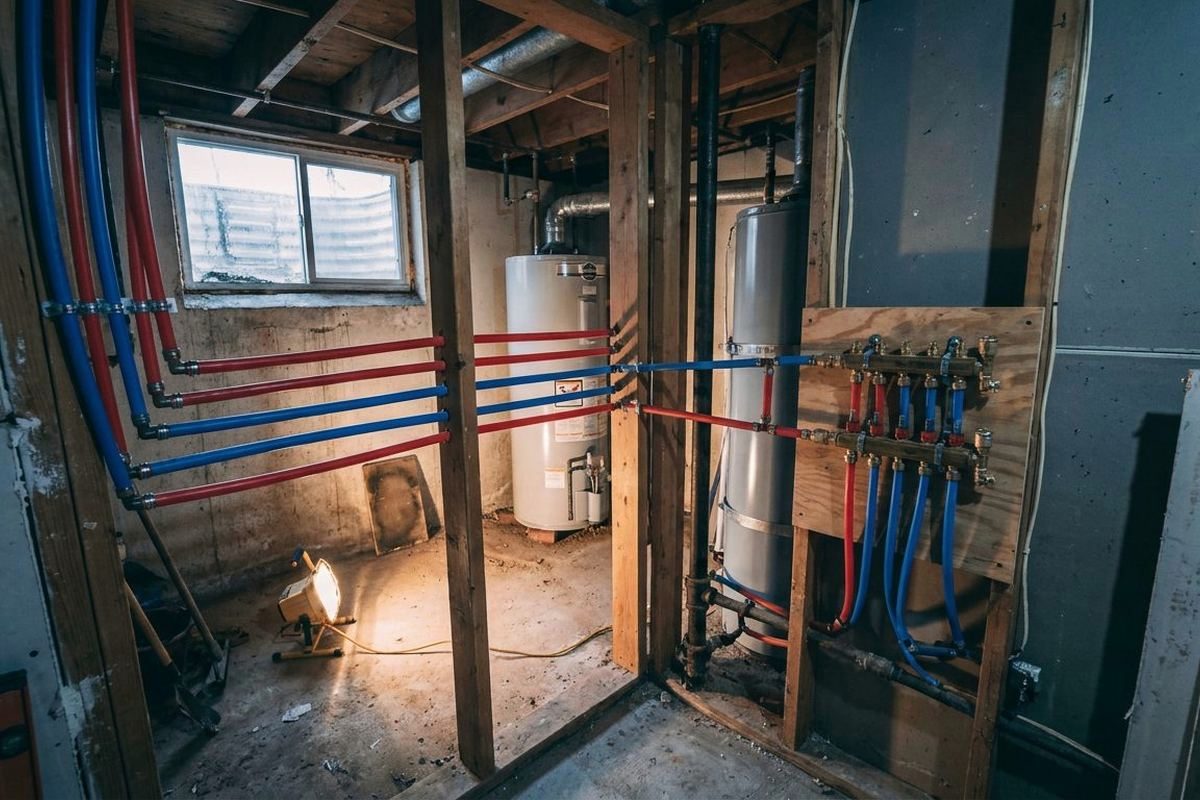
PEX is bendable plastic water pipe, typically red for hot lines and blue for cold. CPVC is stiff plastic pipe in a cream or tan color, and copper is metal pipe held together with solder. A crawl space is the short open area beneath a raised floor.
A slab means a concrete floor poured right onto the ground, with pipes underneath or inside it. That's the reason the slab row runs higher. Bedrooms don't affect the price, since a repipe is priced by bathroom count and square footage. Houses with 3 bedrooms normally have 2 bathrooms.
Plan on about 2 to 3 days for a two-bath home sitting over a crawl space, or 3 to 5 days for a 3-bath place with two floors. Most families stay home while the work happens.
Is a repipe worth it?
One nationwide guide puts the usual trigger at low pressure, discolored water, or leaks showing up in more than one spot around the house. When trouble with pressure, water color, or leaks turns up in several rooms, a whole-home repipe may be worth considering.
If more than one room is acting up, call today. A repipe company near you will see your house and give you a fixed price, and the call is free.
Permits, quotes, and license checks
Permit fees land somewhere between $50 and $800, per one national guide. That guide also found bids for the same job varying by $2,000 to $5,000. So a price built on your actual house beats a number someone quotes you over the phone.
The Iowa Plumbing and Mechanical Systems Board licenses plumbers in the state. Check your plumber there before signing anything, so you know whoever touches your water lines holds a valid license.
Iowa has one plumbing code for the whole state
One plumbing code covers every town in Iowa: the Uniform Plumbing Code, 2024 Edition, plus changes Iowa made. Other plumbing codes can't be adopted by cities; only stricter add-ons are allowed. Local offices don't have to inspect, so ask your city whether it issues plumbing permits. If your existing single family home qualifies for the homestead tax credit, you may work on it yourself.
Roughly 16 in 100 Iowans get their drinking water from a private well. The national share is 15 percent, so that's a little above it.
How to lock in a fixed price
Your call goes to a repipe company serving your part of Iowa. They walk the house, then hand you a fixed price, so you're not working off ranges. The call costs you nothing on this site.
How this is worked out
The calculator begins with two numbers. One comes from the home's square footage, using a per-square-foot installed rate. The second is the going rate for that bathroom count, and the two get averaged together.
From there it adds the upcharge for copper or CPVC. Then it scales the labor share, roughly 70 % of the bill, by setting Iowa's plumber wage against the US average. Last it tacks on charges for slab work or an extra story, with everything rounded to the nearest $100. Every state's labor cost is keyed to its plumber pay from the Bureau of Labor Statistics.