Expect to pay roughly $7,100 to $13,000 to repipe a 1,800 sq ft, 2-bath Hawaii house in PEX over a crawl space. Local plumbers make $39.81 an hour, around 15 % more than the US average of $34.70, so costs here sit a bit above the national numbers. Hawaii's median home was built in 1980, and some homes from that era may have polybutylene or Kitec pipes. Calling puts you in touch with a repipe company serving your area. They look at the house first, then quote a fixed price, and this site never takes a fee from you for connecting.
How do Hawaii's home ages affect your pipes?
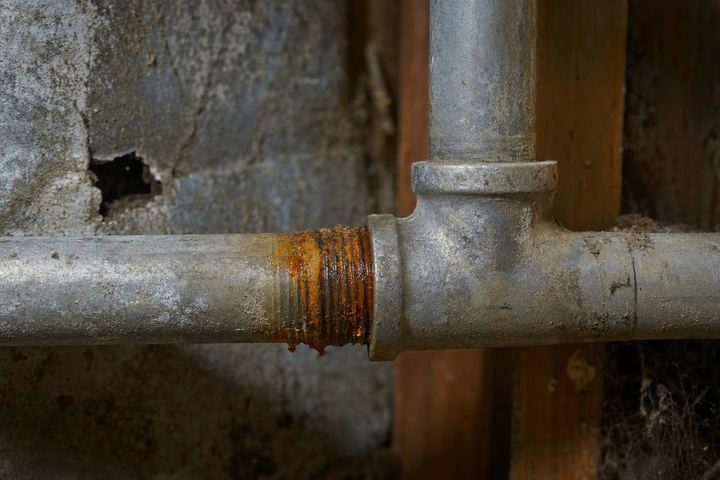
The typical Hawaii home was built in 1980, so many houses are now old enough to have aging pipes. Around 14.1 % go back before 1960, the era when galvanized steel water pipe was the standard.
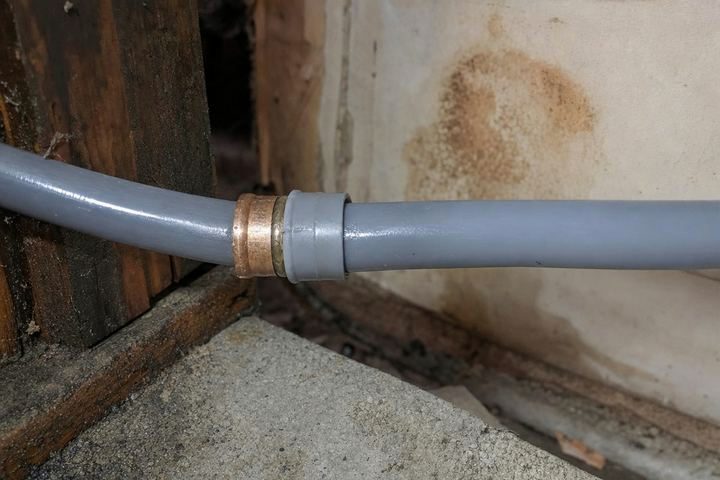
Another 27.5 % went up between 1980 and 1999. That period covers the polybutylene years (1978 to 1995) and the first years of Kitec (1995 to 2007), so a home from that stretch could hold either kind of pipe.
About 22.1 % of homes date from 2000 or later. The year your home was built can offer a clue, but you need to identify the pipe to know what you have.
Once weak pressure, discolored water, or leaks turn up in more than one spot, a repipe usually makes sense, according to Fuse Service. If that sounds familiar, call to connect with a repipe company serving your area, which can give you a fixed price after seeing the house.
What a repipe costs by home size
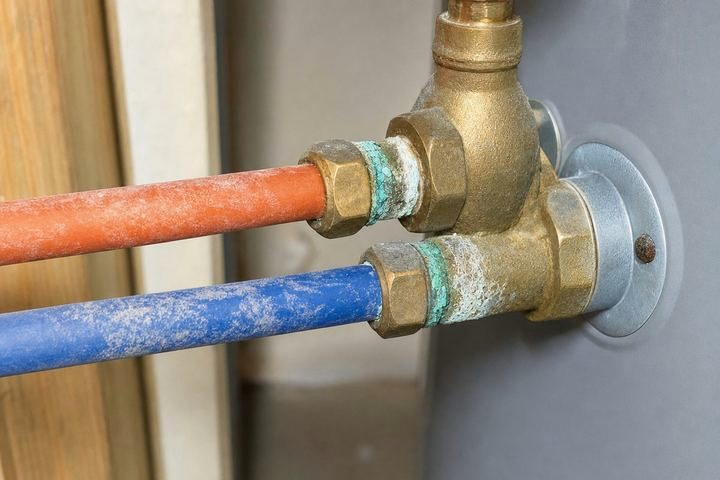
The numbers below come from this site's calculator, based on PEX over a crawl space. PEX is a bendable plastic water pipe, with red marking hot lines and blue marking cold ones. A crawl space is that low open gap beneath a raised floor.
| House | Hawaii price estimate |
|---|---|
| A 1,200 sq ft home with 1 bath | roughly $4,500 to $8,500 |
| An 1,800 sq ft home with 2 baths | roughly $7,100 to $13,000 |
| A 2,400 sq ft home, 3 baths, 2 floors | roughly $9,000 to $17,800 |
Bedrooms are not a price factor. Repipe quotes go by bathroom count and square footage, and 3-bedroom homes typically have 2 bathrooms.
Pipe material and slab floors
Here is how the material shifts the price for that same 1,800 sq ft, 2-bath home.
| Material or floor | Rough cost in Hawaii |
|---|---|
| PEX over a crawl space | roughly $7,100 to $13,000 |
| CPVC over a crawl space | roughly $8,200 to $14,100 |
| Copper over a crawl space | roughly $10,400 to $20,700 |
| PEX in a slab house | roughly $9,200 to $18,000 |
CPVC is hard plastic pipe in cream or tan shades. Copper is soldered metal pipe. A slab means a concrete floor laid right on the ground, with the pipes running under or inside it.
What drives the cost
Labor makes up about 70 % of a repipe bill, per Angi. This is why local pay matters so much here. Hawaii plumbers are paid $39.81 an hour (roughly 15 % over the national figure of $34.70), which places the state 41st when all 51 are lined up from the lowest pay to the highest, and about 2,500 plumbers hold jobs across the islands.
One national guide lists permit fees from $50 to $800. It also notes that quotes for the same job can swing by $2,000 to $5,000, so a quote locked in once the company has visited your home beats a guess.
Staying home while the crew works
Most families keep living at home throughout the job, per Repipe Solutions. By this site's calculator, a 2-bath PEX home over a crawl space usually wraps up within a couple of days, sometimes three.
Making sure your plumber is licensed
Plumbing licenses in Hawaii come from the Board of Electricians and Plumbers. Search the plumber on the board's page before signing anything.
In Hawaii, a license is required for plumbing work
Plumbing work isn't covered by Hawaii's owner-builder rule. A licensed plumber has to do the repipe unless you're a licensed plumber yourself. The State Plumbing Code is the 2018 UPC, which is short for Uniform Plumbing Code. The permits are run by each county, which puts the state codes into its own rules. At the county's final inspection approval, the job counts as finished.
In Hawaii, only about 4 in 100 people depend on a private well. Across the nation the figure is around 15 percent, so public water serves most Hawaii homes.
Which pipe is in your walls?
Not sure what's in your walls? Our pipe identifier covers eight common types (polybutylene, Kitec, galvanized steel, copper, PEX, CPVC, cast iron and Orangeburg) and sorts them out by how they look and how they feel. Use it to match what you see in your house with the year it was built.