A repipe in Tennessee usually costs less than in most states. Plumbers here make $29.09 an hour, while the national average is $34.70, which works out to roughly 16% less. The typical Tennessee home was built in 1988, and 27.4% went up from 1980 to 1999, a period that overlaps the polybutylene and Kitec years. When you call, you reach a repipe company serving your area. They look at the house first and then quote a fixed price, and the call costs you nothing through this site.
Old pipes in Tennessee houses
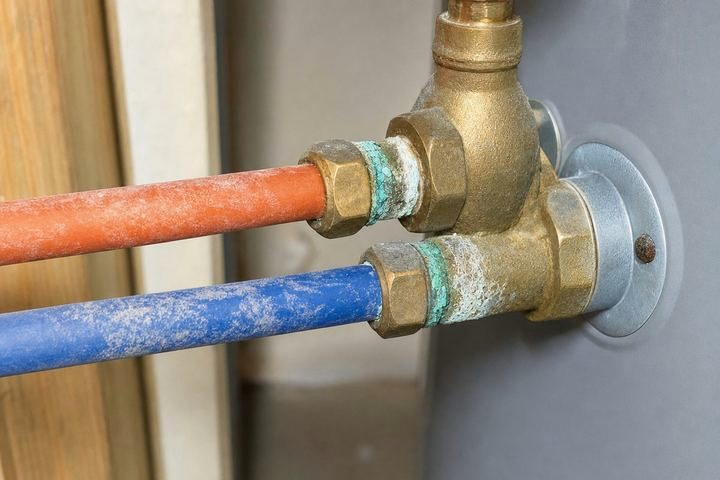
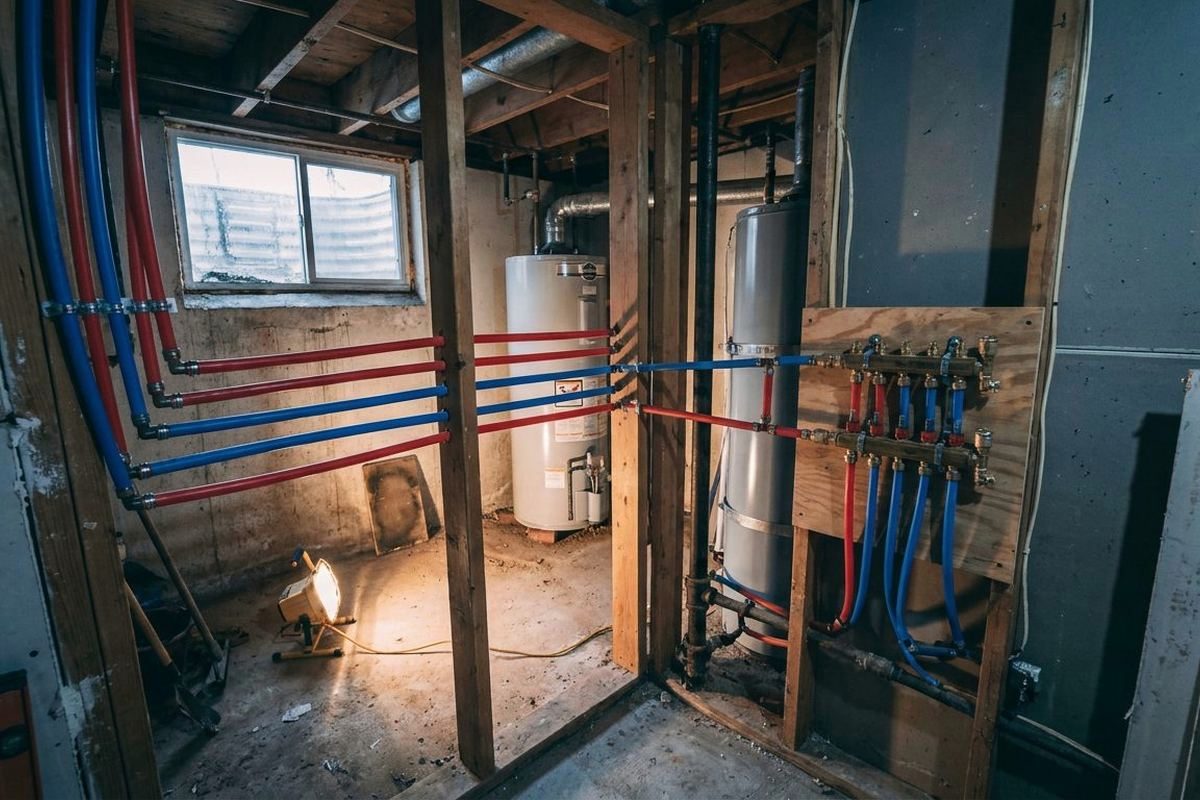
A repipe swaps out the old water pipes inside the walls, floors, and ceilings for new ones. PEX is a bendable plastic pipe, usually red for hot water and blue for the cold.
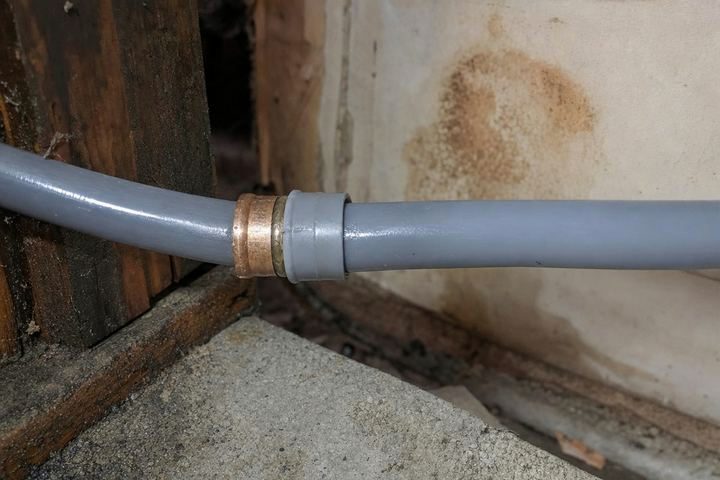
Many Tennessee homes built from 1980 to 1999 may have polybutylene, used from 1978 to 1995, and some may have Kitec, which came into use in 1995. Your home's build year is a clue, but you'll need to identify the pipes to know what you have.
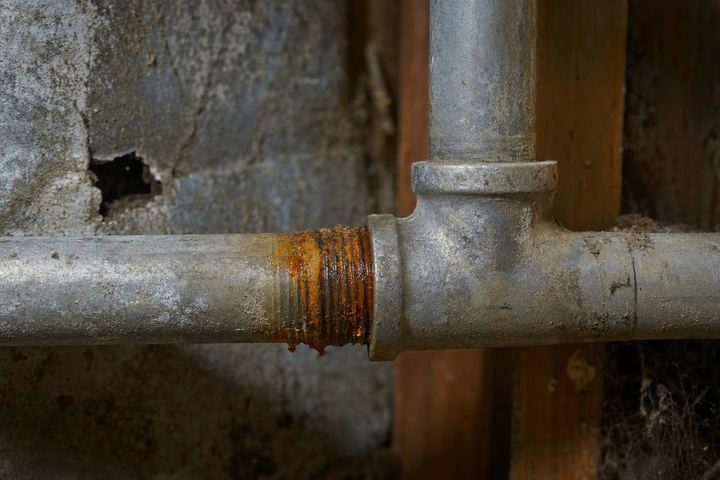
Roughly one Tennessee home in six dates from before 1960, back when galvanized steel was the standard pipe material. About a third went up in 2000 or later, so those houses are less likely to have these older pipes.
Cost by house size and pipe type
The numbers in the cost table below come from this site's calculator for Tennessee. Treat them as rough estimates for the house described, since your final price depends on your own home.
| Kind of house | Rough cost |
|---|---|
| One bath, 1,200 sq ft, PEX, raised over a crawl space | Roughly $3,600 to $6,800 |
| Two baths, 1,800 sq ft, PEX, raised over a crawl space | Roughly $5,700 to $10,500 |
| Two baths, 1,800 sq ft, piped in CPVC | Roughly $6,600 to $11,300 |
| Two baths, 1,800 sq ft, piped in copper | Roughly $8,300 to $16,700 |
| Two baths, 1,800 sq ft, PEX, built on a concrete slab | Roughly $7,400 to $14,400 |
| Three baths across two floors, 2,400 sq ft, PEX, raised over a crawl space | Roughly $7,200 to $14,300 |
CPVC, meanwhile, is stiff plastic pipe in a cream or tan color, and copper is metal pipe held together with solder. Price follows square footage and bathrooms, not bedrooms. A typical 3-bedroom house has 2 baths, so a home of about 1,800 square feet with two baths makes a good starting point.
Slab versus crawl space
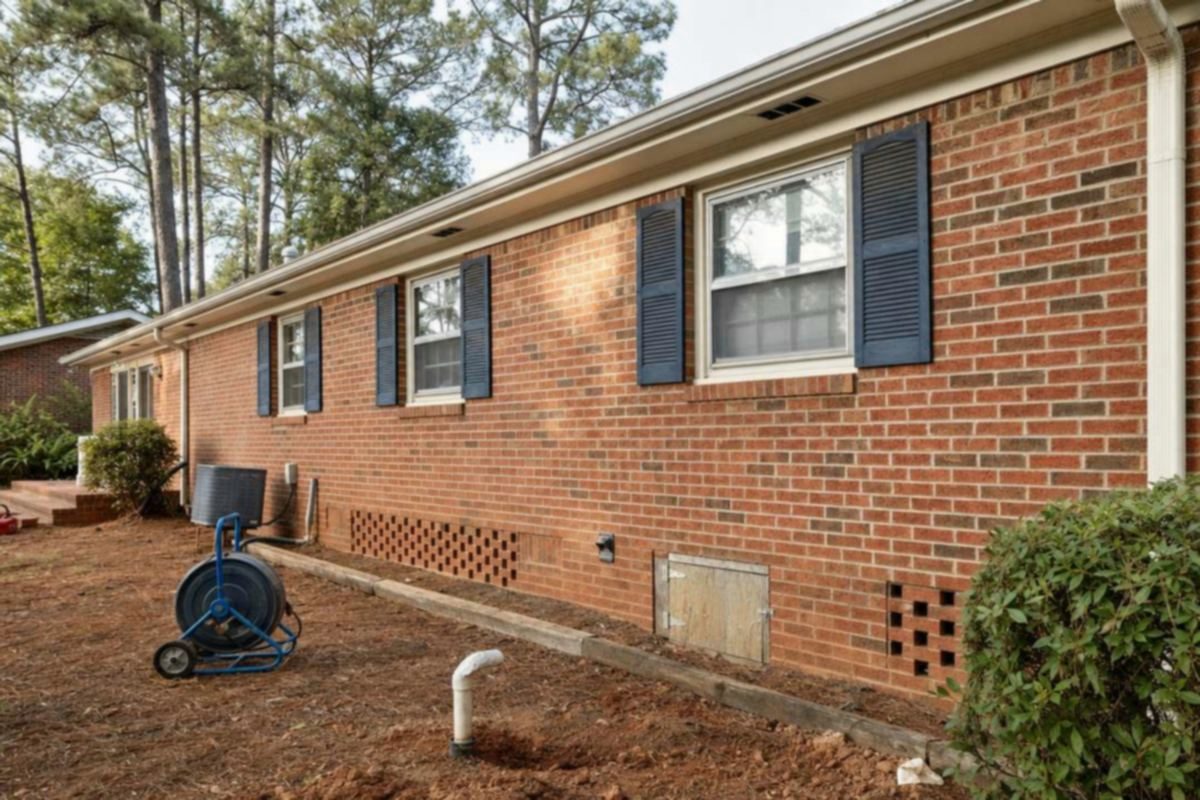
A crawl space is a short open gap under a floor raised off the ground. A slab is a concrete floor poured directly onto the ground, with pipes running under it or inside it.
Slab homes run higher because the job takes more effort. A national guide puts the extra labor somewhere between 25% and 50% (Geek Powered Studios).
What your money pays for
Labor makes up about 70% of a repipe bill, according to Angi. That explains why Tennessee's lower wages pull the total down.
Find out if the quote covers the permit, which a national guide prices at $50 to $800, plus the wall patching afterward. Two quotes for identical work can land anywhere from $2,000 to $5,000 apart. That's why a fixed price from a company that has walked through your house is worth having, and one call gets you there.
Is a repipe worth it?
A repipe generally makes sense when low pressure, discolored water, or leaks appear in more than one place, according to Fuse Service. A single leak in a single spot is not the same thing as several of them.
If more than one spot in your home is showing these signs, call now. A repipe company serving your area will see the house and give you a fixed price, and the call is free through this site.
Living at home during the repipe
Most families remain at home through the whole job, according to Repipe Solutions. For a 1,800 sq ft, two-bath PEX job over a crawl space, the calculator estimates about 2 to 3 days using national-average labor.
Checking a plumber's license
Licensing goes through the Tennessee Board for Licensing Contractors. Before you sign anything, check the plumber on the board's website to confirm the license is genuine.
Repipe permits and Tennessee codes
The statewide minimum for building work comes from Tennessee's State Fire Marshal. Under its rules, the International Plumbing Code, 2021 edition is adopted. The International Residential Code, 2018 edition applies to new one- and two-family homes. Additions of at least 30 square feet, plus new houses, fall under the state's home permit program; renovation isn't included. Questions about the permit for a repipe go to your city or county codes office. If the state fire division handles permits in a town, plumbers there need a Limited Licensed Plumber license for work under $25,000.
Just 9 percent of Tennesseans get their water from a private well instead of city water. That's well under the national share, which is about 15 percent.
What pipe do you have?
Not sure what pipes you have? The pipe identifier on this site matches your pipe to one of eight types by its color and feel, among them polybutylene, Kitec, galvanized steel, copper, PEX, CPVC, cast iron, plus Orangeburg. If it turns up polybutylene, Kitec or galvanized steel, call, and a local repipe firm will look at the house and give you a fixed price.