Plan on roughly $6,700 to $12,400 to repipe a whole house in Pennsylvania if it's a one-story, 1,800-square-foot home with two bathrooms, done in PEX. Pennsylvania houses are old, with the typical one built in 1966, so many may still have galvanized steel water pipe. Plumbers here earn about 7% more than the US average, which nudges the price up a little. A call gets you a fixed price for your own house.
Pennsylvania repipe cost by house size
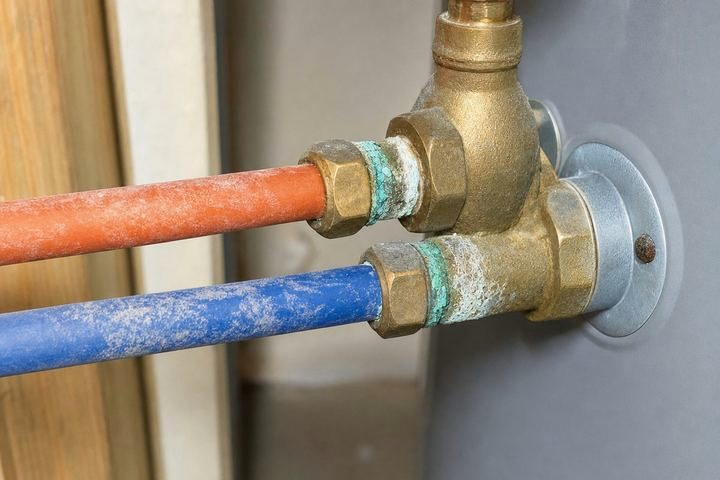
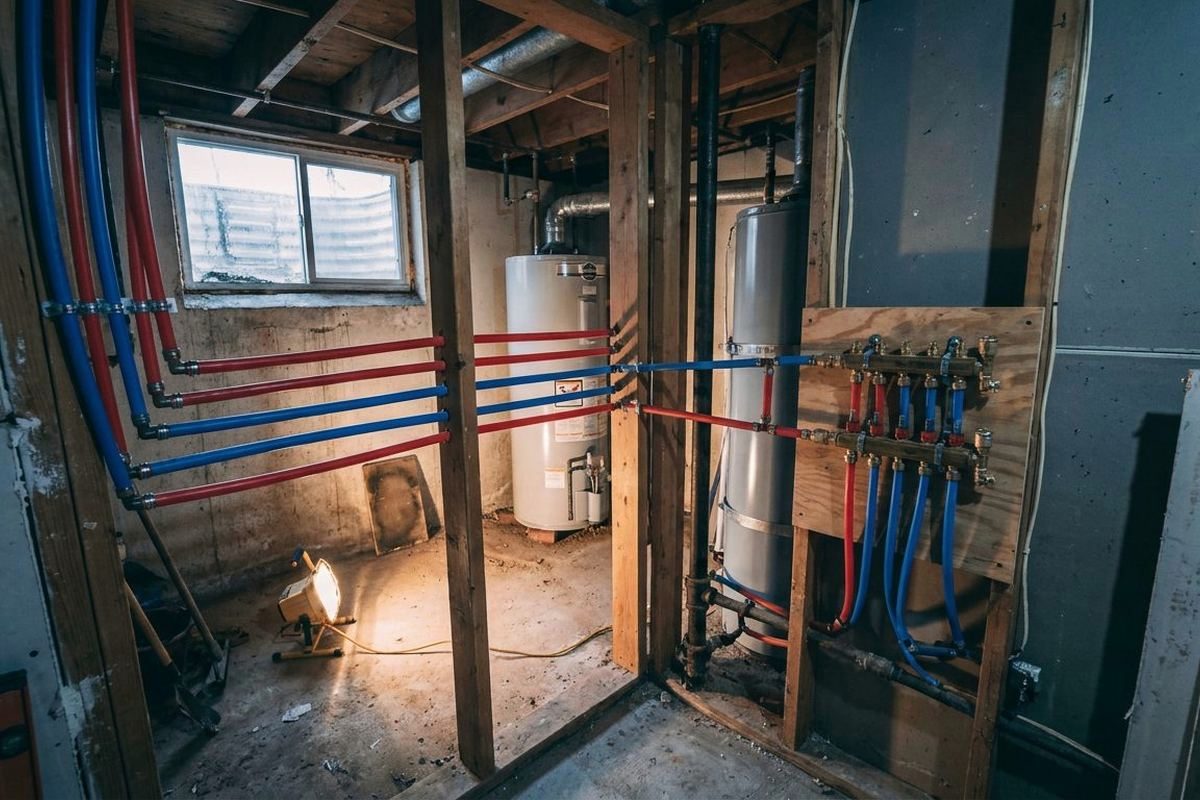
These figures come from the calculator on this site, which uses Pennsylvania's plumber wage. Every row is an estimate for the house listed, and all of them are done in PEX, a bendable plastic pipe that's typically red for hot water and blue for cold.
| Size | Baths | Stories | Foundation | Rough cost |
|---|---|---|---|---|
| 1,200 square feet | 1 | 1 | Crawl-space foundation | $4,300–$8,100 |
| 1,800 square feet | 2 | 1 | Crawl-space foundation | $6,700–$12,400 |
| 2,400 square feet | 3 | 2 | Crawl-space foundation | $8,500–$16,900 |
A crawl space means a shallow, open area beneath a raised floor. A crawl space gives plumbers access beneath the floor, while a slab can add to the cost of a repipe.
Bedrooms don't affect the price. Repipes are priced by square footage and bathroom count, and a 3-bedroom home typically comes with 2 bathrooms.
What makes Pennsylvania plumbers pricier?
The average plumber in Pennsylvania makes $37.05 an hour, while the US figure is $34.70. That puts Pennsylvania on the higher side of the middle. It isn't the priciest state for labor, but you'll pay a bit more than the national average.
Why does the wage matter? Roughly 70 % of what you pay for a repipe goes to labor. A small gap in the hourly rate still moves the total at the end.
The age of Pennsylvania housing
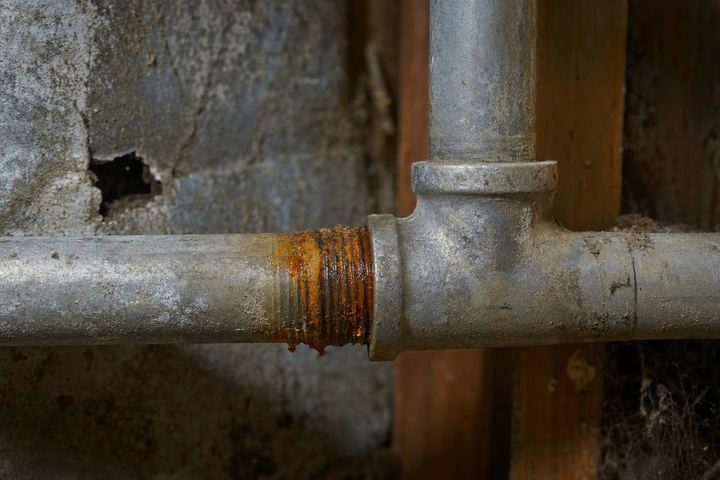
Homes here are among the oldest in the country. The typical home went up in 1966, putting the state 5th oldest out of 51. Close to half, 44.6 % of homes, were built before 1960, when galvanized steel water pipe was common.
Another 18.2 % were built between 1980 and 1999. That period overlaps the polybutylene era, 1978 to 1995, and the early years of Kitec, 1995 to 2007. Just 15.1 % of homes date from 2000 or later.
If you can see an exposed pipe, the pipe identifier on this site can help you identify it by its color and feel. It can tell eight kinds of pipe apart by how they look and how they feel to the touch, among them galvanized steel, polybutylene, Kitec, copper and PEX.
When is a repipe worth it?
When low pressure, discolored water, or leaks appear in more than 1 spot, a repipe is usually worth doing. One leak on its own can just be a repair.
If leaks or discolored water are showing up in several rooms, call to have a repipe company see the house and give you a fixed price.
Slab, copper, and other price changes
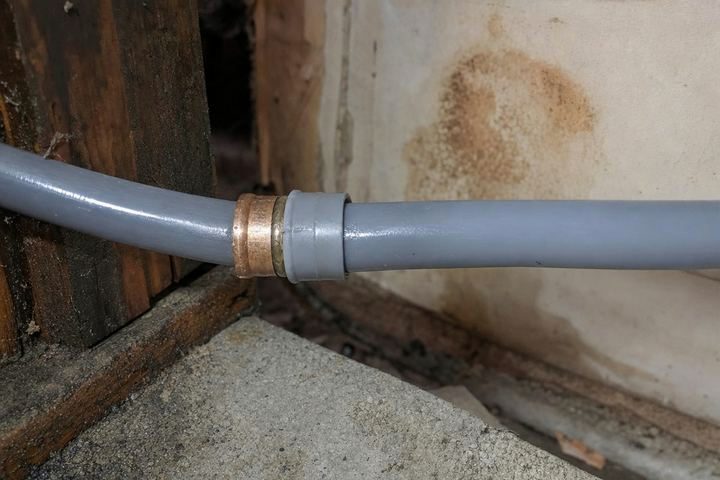
Your foundation and choice of pipe can make a big difference to the price. A slab is a concrete floor poured directly on the ground, with pipes running beneath it or inside it. CPVC is hard plastic pipe in cream or tan shades, while copper is soldered metal pipe.
| One-story, 1,800-square-foot home with 2 baths | Rough cost |
|---|---|
| PEX, crawl-space foundation | $6,700–$12,400 |
| CPVC, crawl-space foundation | $7,800–$13,400 |
| Copper, crawl-space foundation | $9,800–$19,700 |
| PEX, slab foundation | $8,700–$17,100 |
Permit fees can add $50 to $800, according to a national guide; ask whether the quoted price includes them. The same guide found that quotes for the very same job can vary by $2,000 to $5,000, so ask each company what its price covers.
Checking the plumber's license
There's no single state board for this in Pennsylvania. Licenses are handled by your city or county, and Lancaster is one example of a place with its own Board of Plumber Examiners. Before any work begins, check the plumber's license through your local building department.
Pennsylvania's many wells and its permits
Pennsylvania relies on private wells more heavily than most states do. A private well supplies water for about 27.1 percent of residents, so their water comes from a source they own, not from a city line. The national share is about 15 percent, and no federal agency regulates that water.
Homes statewide follow the Uniform Construction Code, which is built on the 2021 International Residential and Plumbing Codes. Permits and inspections are handled by most towns themselves. If a town opted out of local enforcement, a certified private inspection agency is hired by the owner or the plumber for the house work. Before the repipe starts, ask your township office which path applies.
Staying home while the repipe happens
Most families stay in their homes the whole time. A typical 2-bathroom PEX house takes about 2 to 3 days, so you can plan around it.
A fixed quote for your house
The calculator shows a fair range, but your house sets the actual number. Call now and we'll put you through to a repipe company serving your part of the state. They'll see your house and give you one fixed price, and the call costs you nothing.