Repipe work in South Carolina usually costs less than in most other states. Plumbers here make $26.87 an hour, roughly 23% under the US average of $34.70, and only 2 places among the 50 states and DC pay less. Half of South Carolina's homes were built after 1993, which makes the state's housing younger than almost anywhere else in the country. So the old pipe to watch for here is more often plastic pipe put in from 1980 to 1999 than galvanized steel. Local plumber wage: $26.87 an hour (the US average is $34.70) The call links you with a repipe company serving your area. Someone looks at your house, then you get a fixed price. Making that connection costs you nothing through this site.
Pipes a repipe swaps out
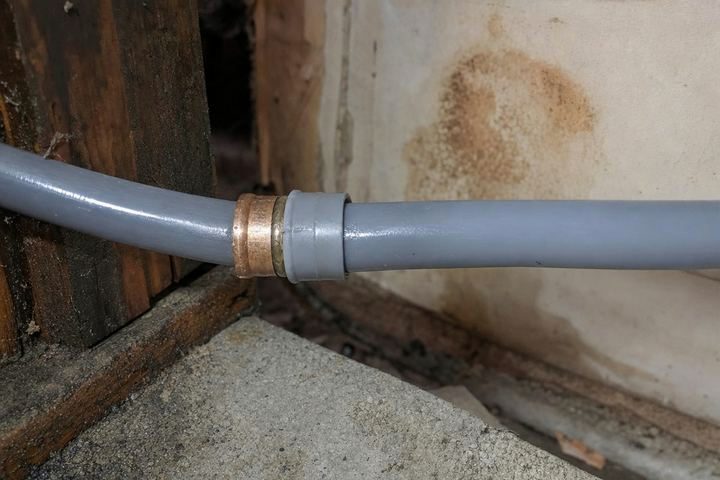
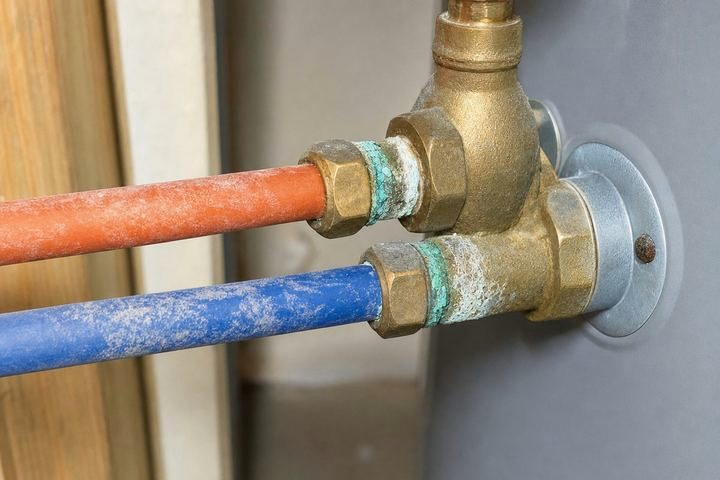
Roughly 29.1% of homes in South Carolina went up between 1980 and 1999. Those years overlap the polybutylene era (1978 to 1995) and the first years of Kitec, which ran from 1995 to 2007. A home built during those years may have polybutylene or Kitec pipe, but its age alone can't tell you what's inside.
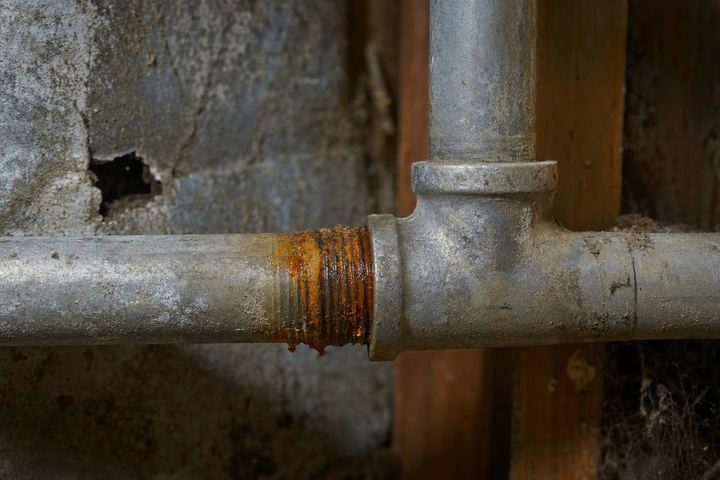
Another 12.1% of the state's homes predate 1960, back when galvanized steel was the standard for water lines. Around 38.8% were built in 2000 or after.
A repipe usually makes sense when low pressure, discolored water, or leaks appear in more than one spot around the house, according to a national guide. Not sure what's inside your walls? This site's pipe identifier can name eight pipe types based on how they look and feel.
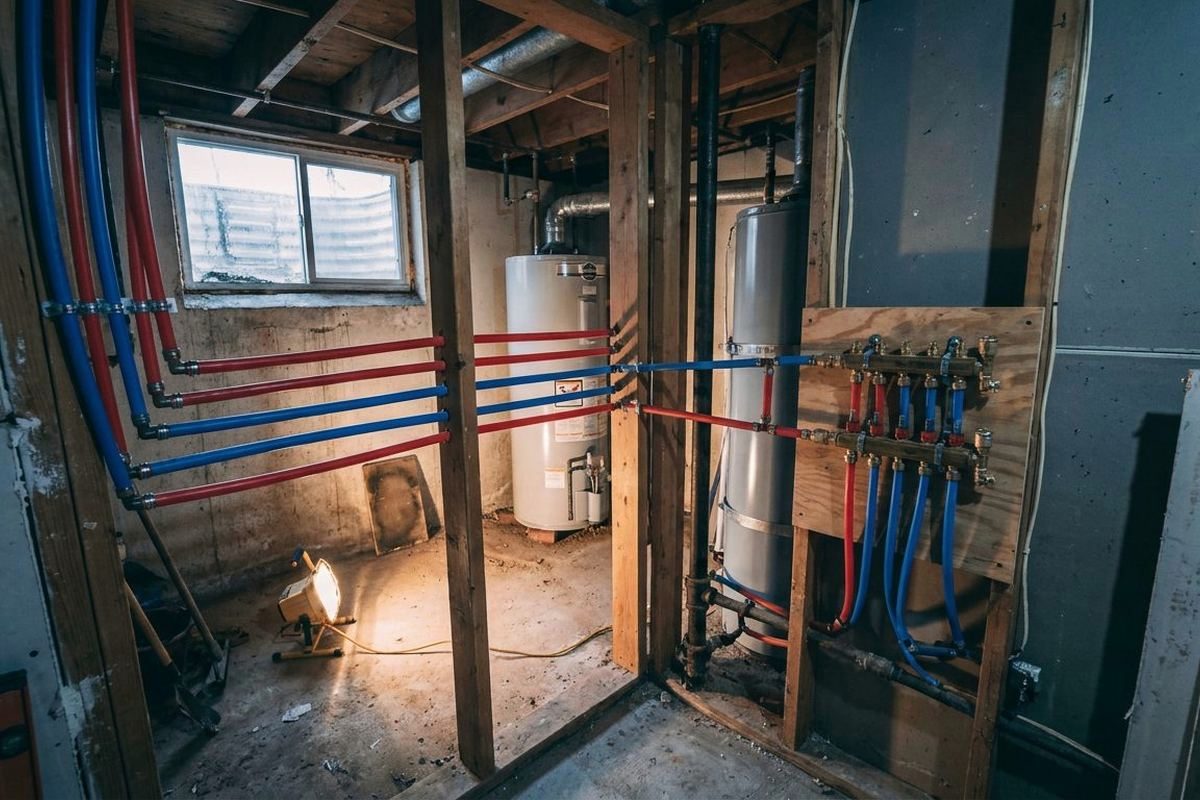
What a South Carolina repipe costs, house by house
These estimates come from this site's calculator, using South Carolina plumber wages. Labor typically accounts for roughly 70 cents of every repipe dollar, so the area's lower wages keep the total lower.
| House | About |
|---|---|
| PEX in a crawl space, 1,200 sq ft, 1 bath | $3,500 to $6,500 |
| PEX in a crawl space, 1,800 sq ft, 2 baths | $5,400 to $9,900 |
| PEX on a slab, 1,800 sq ft, 2 baths | $7,000 to $13,700 |
| CPVC in a crawl space, 1,800 sq ft, 2 baths | $6,200 to $10,800 |
| Copper in a crawl space, 1,800 sq ft, 2 baths | $7,900 to $15,800 |
| PEX in a crawl space, 2,400 sq ft, 3 bathrooms, 2 stories | $6,800 to $13,600 |
For this estimate, bathrooms and square footage matter, not bedrooms. A 3-bedroom home usually has 2 bathrooms.
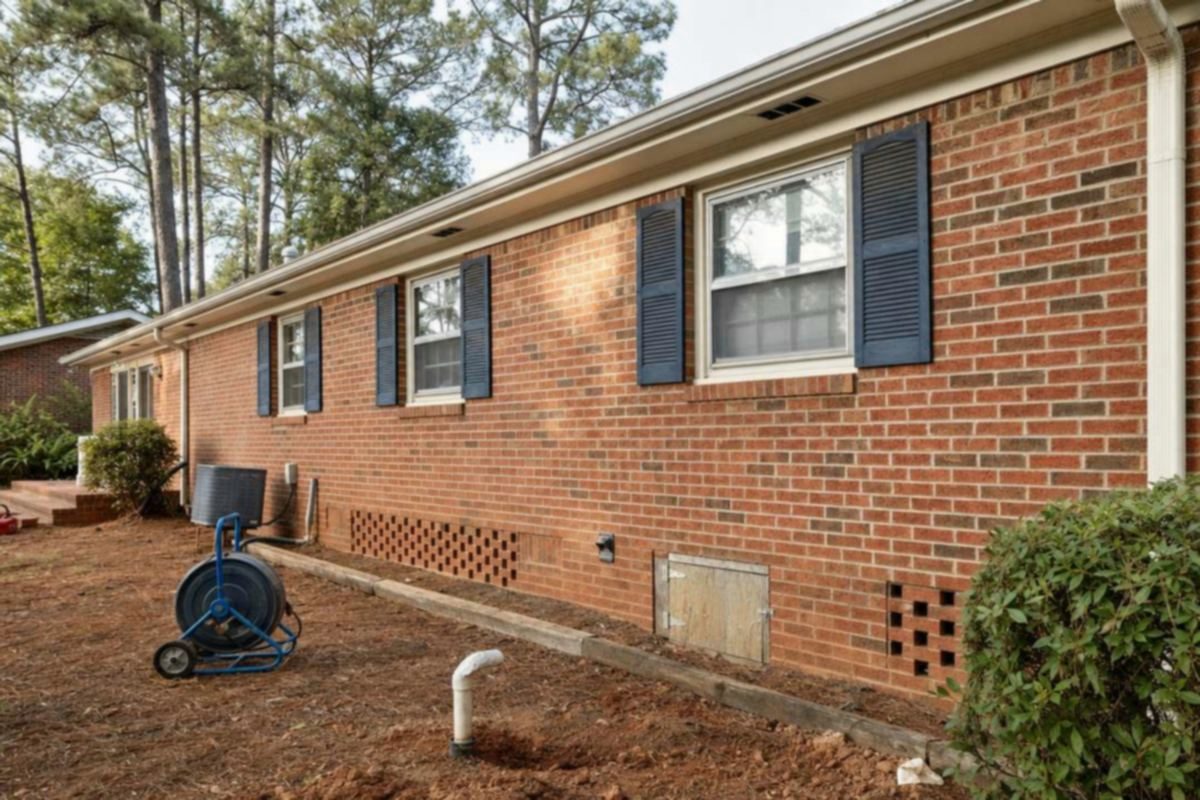
A crawl space is a low open area beneath a raised floor. A slab is concrete poured right on the ground, with pipes running under it or inside it, and plumbers have to work around that concrete. That's the reason slab homes run higher.
What the price includes
These ranges pay for the new pipe and the plumber's hours. Check whether your quote also covers the final inspection, the permit, and patching the walls. Permits cost $50 to $800, according to a national guide.
Two quotes for the same job can be $2,000 to $5,000 apart, one national guide finds. With quotes that far apart, a guess won't do. Call now and a repipe company that works in your area will see your house and then give you a fixed price. The call costs you nothing.
Living at home while the work happens
Most families just stay put through the whole job, one repipe company notes. Expect roughly 2 to 3 days for a 1,800 sq ft house with 2 baths in PEX.
Making sure your plumber is licensed
Plumbing licenses in South Carolina come from the Residential Builders Commission. Before you sign anything, check your plumber's name on the commission's license page. That way you know the person opening your walls is licensed.
Well water and owner permits in South Carolina
South Carolina requires a homeowner to appear personally for any work they do themselves. An owner fixing a home they live in must personally sign the building permit application and gets a written notice. It says the work must be supervised by you, and hiring anyone without a license is not allowed. You can't have the home up for sale or rent. The plumbing code must be enforced by every city and county, so the permit comes from your local building office. State changes were included when the state council adopted the 2024 International Residential and Plumbing Codes.
For 24.2 percent of the state, which is nearly a quarter, water comes from a private well right on the owner's land. This is higher than the national figure of about 15 percent.